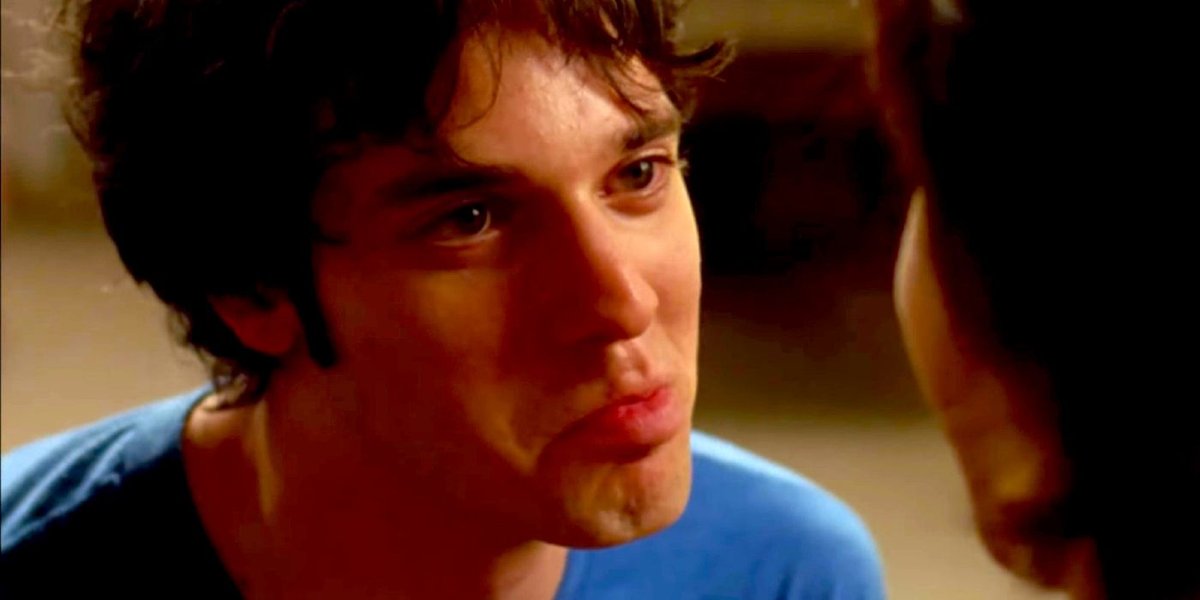
Reliving Degrassi Season 3's Iconic Scenes, Quotes, and Music
Degrassi isn't just a show; it's a cultural touchstone, a time capsule of adolescence where every awkward hug, heart-wrenching breakup, and triumphant cheer felt impossibly real. And among its many memorable seasons, Season 3 of Degrassi: The Next Generation stands out as a pivotal chapter, a masterclass in teenage drama, burgeoning independence, and the often-painful process of self-discovery.
This wasn't just another year at Degrassi Community School. It was a season where characters truly began to grapple with their identities, confront their pasts, and face the sometimes brutal realities of growing up. From gut-wrenching musical performances to sharp, defining one-liners, the Iconic Scenes, Quotes & Music from Degrassi Season 3 left an indelible mark on viewers, shaping the show's legacy and cementing its place in television history.
At a Glance: Season 3's Unforgettable Legacy
- Emotional Music: Ashley Kerwin's raw performance of "Mr. Nice Guy" captures intense heartbreak and betrayal.
- Sharp-Tongued Wisdom: Paige Michalchuk delivers timeless advice on spotting manipulative "creep-boys."
- Echoes of the Past: Joey Jeremiah and Caitlin Ryan's poignant Christmas reunion revisits a decades-old love story.
- Dark Revelations: Sean Cameron's troubled history, including a violent incident, comes to light, challenging perceptions.
- Relatable Priorities: Paige's humorous take on academic importance (or lack thereof) hits home for many students.
- The Spineless Confession: Spinner Mason's vulnerable admission to being "whipped" defines his struggle for self-assertion.
The Degrassi Difference: Season 3's Unforgettable Pulse
Season 3 isn't just a collection of episodes; it’s a narrative engine firing on all cylinders. It took the groundwork laid in previous seasons and propelled the characters into more complex emotional territories, often with a raw honesty that few teen dramas dared to touch. Friendships were tested, relationships blossomed and withered, and the often-messy process of growing up was laid bare for millions to witness.
The season excelled at blending the mundane with the monumental, showing that even seemingly small moments—a casual conversation in the hallway or a whispered secret—could hold profound weight. This authentic portrayal of teenage life is a hallmark of the Degrassi franchise, making its characters feel like real friends navigating real challenges. For many, Explore Degrassi Season 3 still feels as fresh and relevant today as it did when it first aired.
The Unplugged Heartbreak: Ashley's "Mr. Nice Guy"
Few musical moments in Degrassi history pack the emotional punch of Ashley Kerwin's performance of "Mr. Nice Guy." This scene isn't just a song; it's a raw, public declaration of profound heartbreak and betrayal, an auditory catharsis that resonated deeply with anyone who's ever felt wronged by someone they loved.
The Scene: A Stage for Pain
Picture this: the school dance, a place usually synonymous with budding romance and lighthearted fun. Instead, Ashley takes the stage, guitar in hand, and pours out her soul. The atmosphere shifts from celebratory to somber as her voice, strained with genuine emotion, fills the room. It’s a moment of immense vulnerability, where Ashley strips away any pretense of being okay and lays her wounded heart bare for everyone – especially her ex – to see. This performance serves as a powerful anchor for the relationship drama that defines Degrassi, showcasing the often-public fallout of private heartache.
The Quote-Worthy Lyrics
The song itself is a litany of accusations and a testament to her pain:
"Mr. Nice Guy, you just lied, you just broke my heart and now I want you to regret the day we met."
These lines aren't just lyrics; they're a manifesto of teenage angst, a desperate plea for recognition of her suffering. Ashley channels every ounce of her anger and sorrow into her performance, accusing the subject of her song (presumably Jimmy, her ex-boyfriend) of being a deceptive "Mr. Nice Guy" who shattered her trust. The desire for him to "regret the day we met" is a potent expression of unforgiveness, capturing the raw, unadulterated pain of a first major heartbreak. It’s a moment that defines her character arc in the aftermath of her relationship, solidifying her as someone who, while emotionally fragile, is capable of powerful expression.
Its Lasting Impact
"Mr. Nice Guy" isn't just a catchy tune; it���s an iconic piece of Degrassi music history. It cemented Ashley's journey through a period of intense emotional turmoil, demonstrating how art can be a vehicle for processing pain. For viewers, it was a moment of profound relatability, showcasing that behind every seemingly perfect couple, there could be a messy, heartbreaking reality. This scene encapsulates the season’s dedication to exploring the often-difficult truths of adolescence.
Paige's Pearls of Wisdom: The "Creep-Boy" Doctrine
Paige Michalchuk, queen of Degrassi, was never one to mince words. She was the friend who'd give you the harsh truth wrapped in a stylish package, and her take on apologies from less-than-stellar boys remains one of Season 3's most iconic and oft-quoted pieces of advice.
The Quote: Straight to the Point
"Apologies from a creep-boy? Those are just a tactic for them to get another shot in at you!"
This isn't just a throwaway line; it's a philosophy. Delivered with Paige's signature eye-roll and knowing smirk, this quote cuts through the romanticized notions of reconciliation and exposes the manipulative underbelly of certain high school relationships. It’s a street-smart piece of advice, likely offered to a distraught friend (perhaps Manny or Emma), reflecting Paige's own experiences and her desire to protect those she cared about.
The Scene: A Dose of Reality
While the exact scene might fade, the impact of the quote endures because it speaks to a universal truth: not all apologies are genuine. Paige's delivery suggests a casual certainty, born from years of navigating the complex social landscape of high school. It’s a moment that empowers, teaching viewers (and her on-screen friends) to look beyond surface-level contrition and recognize patterns of manipulative behavior. It's a prime example of how Degrassi provided practical, albeit sometimes cynical, guidance for its young audience.
Why It Still Resonates
Paige's "creep-boy" doctrine became an unofficial motto for many young viewers. It taught them to be discerning, to trust their gut, and to recognize when an apology is less about genuine remorse and more about regaining control or a second chance they don't deserve. This quote is a testament to Paige's character: sharp, experienced, and fiercely protective. It’s a vital piece of the Degrassi puzzle, reminding us that sometimes, the most important lessons come from our friends.
Echoes of the Past: Joey, Caitlin, and Second Chances
Degrassi: The Next Generation wasn't just about the new generation; it cleverly wove in the lives of the original Degrassi Junior High and Degrassi High characters, creating a multi-generational tapestry of life lessons. Season 3 brought a particularly poignant reunion for two beloved OGs: Joey Jeremiah and Caitlin Ryan.
The Scene: A Christmas Airport Reunion
Imagine the bustling chaos of an airport on Christmas, a place of goodbyes and hellos, heightened emotions and unexpected encounters. Here, Joey and Caitlin, long separated, found themselves face-to-face once more. It wasn't a planned rendezvous but a chance meeting that stirred decades of shared history and unresolved feelings. The setting itself, imbued with the magic and melancholy of the holidays, amplified the significance of their reunion.
The Quote: Acknowledging Old Wounds
In reflecting on this unexpected encounter, Joey poignantly admits to having:
"broken Caitlin's heart all those years ago."
This simple statement carries the weight of years, acknowledging past mistakes and the lingering impact of youthful decisions. It's a moment of mature reflection, where an adult Joey understands the gravity of actions taken "all those years ago." It speaks to the enduring nature of love, heartbreak, and the possibility (or impossibility) of true reconciliation. This storyline provides a deeper context for the nuanced character development seen across the Degrassi universe, showing how past events shape future selves.
Its Enduring Charm
The Joey and Caitlin reunion was a treat for long-time Degrassi fans, offering a nostalgic look back while propelling their story forward. It explored themes of forgiveness, regret, and the complexities of adult relationships – proving that even after years apart, some connections simply refuse to be severed. It was a reminder that the stories of Degrassi extend far beyond the high school hallways, encompassing the entire messy, beautiful journey of life.
Shadows of Wasaga: Sean Cameron's Record
Sean Cameron's brooding intensity and troubled past were central to his character, often putting him at odds with authority and drawing him into difficult situations. Season 3 peeled back another layer of his tough exterior, revealing a darker chapter from his history.
The Confession: A History of Violence
The moment Sean reluctantly acknowledges his past comes with a heavy dose of reality:
Sean Cameron: "I have a record."
Jay Hogart: "Nearly killed a kid in Wasaga!"
Sean Cameron: "It was a fight. I deafened him in one ear."
This exchange is chillingly direct, revealing the severity of Sean's past actions. It’s not just a vague "record"; it's a violent incident that left a lasting injury on another person. Jay, often portrayed as a bad influence, becomes the unwitting exposer of Sean's deepest secrets, adding another layer of complexity to their dynamic.
The Scene: Confrontation and Disclosure
While the specific scene isn't detailed, the dialogue suggests a confrontational setting, perhaps a moment where Sean's past is directly impacting his present, or a conversation with someone probing his history. The starkness of "I deafened him in one ear" paints a vivid, disturbing picture, forcing viewers to grapple with Sean's capacity for violence and the consequences of his actions. This dark revelation helps explain Sean's guarded nature and his struggle for acceptance and redemption throughout the series.
The Weight of the Past
This iconic exchange highlights one of Degrassi's enduring strengths: its willingness to tackle difficult subjects head-on. Sean's "record" isn't glamorized; it's a scar that he carries, influencing his choices and relationships. It’s a potent reminder that actions have irreversible consequences, and that escaping one's past is often far more complicated than simply moving to a new school.
Priorities in Flux: Paige's Academic Realignment
Paige Michalchuk was many things: a trendsetter, a loyal friend, a drama queen. A diligent student, however, might not have been at the top of her resume. Her candid assessment of academic priorities in Season 3 delivered a dose of humor and relatability that remains iconic.
The Quote: A Humorous Truth
"Fail English, no biggie. Fail gym, then we need to talk."
This line is pure Paige: witty, slightly subversive, and ultimately revealing of her priorities. It's a humorous inversion of typical academic concerns, highlighting that for some, physical education, social activities, or even appearance might carry more weight than traditional subjects.
The Scene: Casual Brilliance
Imagine this gem dropped casually in a conversation, perhaps while discussing grades or upcoming tests with a friend. The ease with which Paige delivers it makes it even more memorable. It's not a grand philosophical statement, but a slice of everyday high school life, capturing the often-unconventional logic of teenagers. For a character so focused on her social standing and image, a failing grade in gym could indeed be a far greater catastrophe than a struggling English mark. It’s one of those distinctive TV quotes that perfectly encapsulates a character’s personality.
Its Enduring Relatability
This quote resonates because, in its exaggeration, it taps into a genuine teenage sentiment. For many students, social acceptance, athletic prowess, or even just fitting in can feel far more critical than academic performance. Paige’s line is a comedic acknowledgment of this reality, offering a chuckle while subtly reminding us that high school concerns are rarely just about textbooks and grades. It's a testament to the show's ability to capture the diverse experiences and priorities within its student body.
The "Whipped" Confession: Spinner's Backbone Blues
Spinner Mason, often playing the role of the jock or the comic relief, underwent significant personal growth throughout Degrassi. Season 3 saw him grappling with his identity within a relationship, leading to a hilariously honest and profoundly relatable confession to an unsuspecting Mr. Armstrong.
The Quote: A Spineless Truth
"I have no backbone. I'm whipped, I'm totally spineless. My girlfriend completely controls my life."
This raw, unfiltered admission from Spinner is iconic not just for its humor, but for its brutal honesty. It's the kind of confession many teenagers (and even adults) have felt but rarely vocalize. Spinner, known for his bravado, reveals a deep insecurity about his assertiveness within his relationship, feeling completely overshadowed by his girlfriend (likely Darcy at this point, though the ground truth doesn't specify).
The Scene: Unburdening to Authority
The fact that Spinner delivers this confession to Mr. Armstrong, a teacher, adds another layer of comedic and dramatic irony. It’s a moment of unexpected vulnerability from a character usually more concerned with appearances. The teacher, likely expecting a typical student complaint, receives an existential crisis instead, showcasing Spinner's inability to keep his emotions bottled up. This interaction is a great example of how Degrassi effectively used humor to address serious issues like relationship power dynamics.
Why It Struck a Chord
Spinner's "whipped" confession captured the struggle many teens face in navigating their first serious relationships. The desire to please a partner, combined with the fear of losing them, can often lead to a perceived loss of self or personal agency. This quote resonated because it articulated a common, often unspoken, feeling. It marked a significant point in Spinner's character development, highlighting his journey toward self-awareness and eventually, greater assertiveness. It’s a moment that's both laugh-out-loud funny and deeply empathetic.
Beyond the Quotes: The Unseen Melodies and Emotional Arcs
While specific songs and memorable lines often grab the spotlight, Season 3's iconic status also stems from its overall atmospheric depth. The music wasn't just limited to character performances; the background scores and carefully chosen needle drops underscored every emotional beat, from budding romances to devastating betrayals. These sonic landscapes elevated scenes, intensifying feelings and helping viewers immerse themselves completely in the characters' journeys.
The season excelled at tying these moments together, creating compelling multi-episode arcs. Whether it was the fallout from Ashley's song, the continuous struggle for Sean to overcome his past, or the evolving dynamics between friends and lovers, Season 3 meticulously crafted narratives that felt authentic and impactful. Each iconic quote and scene served as a building block, contributing to a holistic portrayal of teenage life with all its glorious highs and gut-wrenching lows.
Why Season 3 Still Resonates: A Legacy of Authenticity
What makes Iconic Scenes, Quotes & Music from Degrassi Season 3 stand the test of time? It's the relentless commitment to authenticity. The writers and actors never shied away from the messy, uncomfortable, and often contradictory emotions that define adolescence. They didn't offer easy answers, but rather presented the complexities of each situation, allowing viewers to reflect and draw their own conclusions.
Common questions about the season often revolve around its continued relevance:
- Why do these moments still feel so real? Because they address universal themes: heartbreak, identity, friendship, peer pressure, and the search for acceptance, all of which remain central to the teenage experience across generations.
- What makes a quote "iconic" in Degrassi? It's often a blend of sharp writing, perfect delivery, and a moment of deep relatability or profound truth that resonates long after the episode ends.
- How did the music amplify the drama? By acting as an emotional shorthand, performances like Ashley's allowed characters to express feelings words alone couldn't convey, creating powerful, unforgettable scenes.
Season 3 understood that growing up isn't always pretty, but it's always compelling. It delivered stories that were both entertaining and deeply meaningful, cementing its place as one of the franchise's most cherished and pivotal seasons.
Revisiting the Degrassi Legacy: Your Next Step
If revisiting these iconic moments has sparked a wave of nostalgia, or if you're new to the world of Degrassi and curious about its enduring appeal, there's no better time to dive back in. Season 3 offers a rich tapestry of drama, humor, and heartfelt storytelling that continues to captivate audiences.
Whether you're looking to relive Ashley's raw emotion, cheer on Paige's no-nonsense wisdom, or simply immerse yourself in the authentic world of teenage life, these moments are just a rewatch away. So grab some popcorn, settle in, and prepare to be reminded why Degrassi remains an undisputed master of the teen drama genre.